Humanitarian medical expedition

Uganda 2027

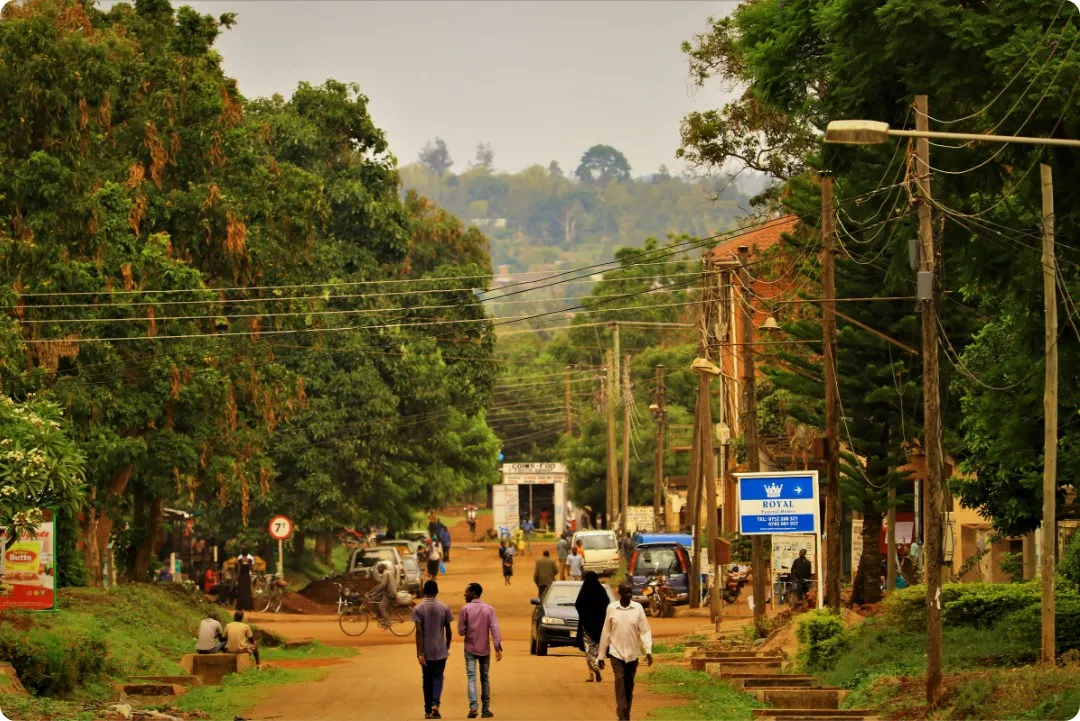
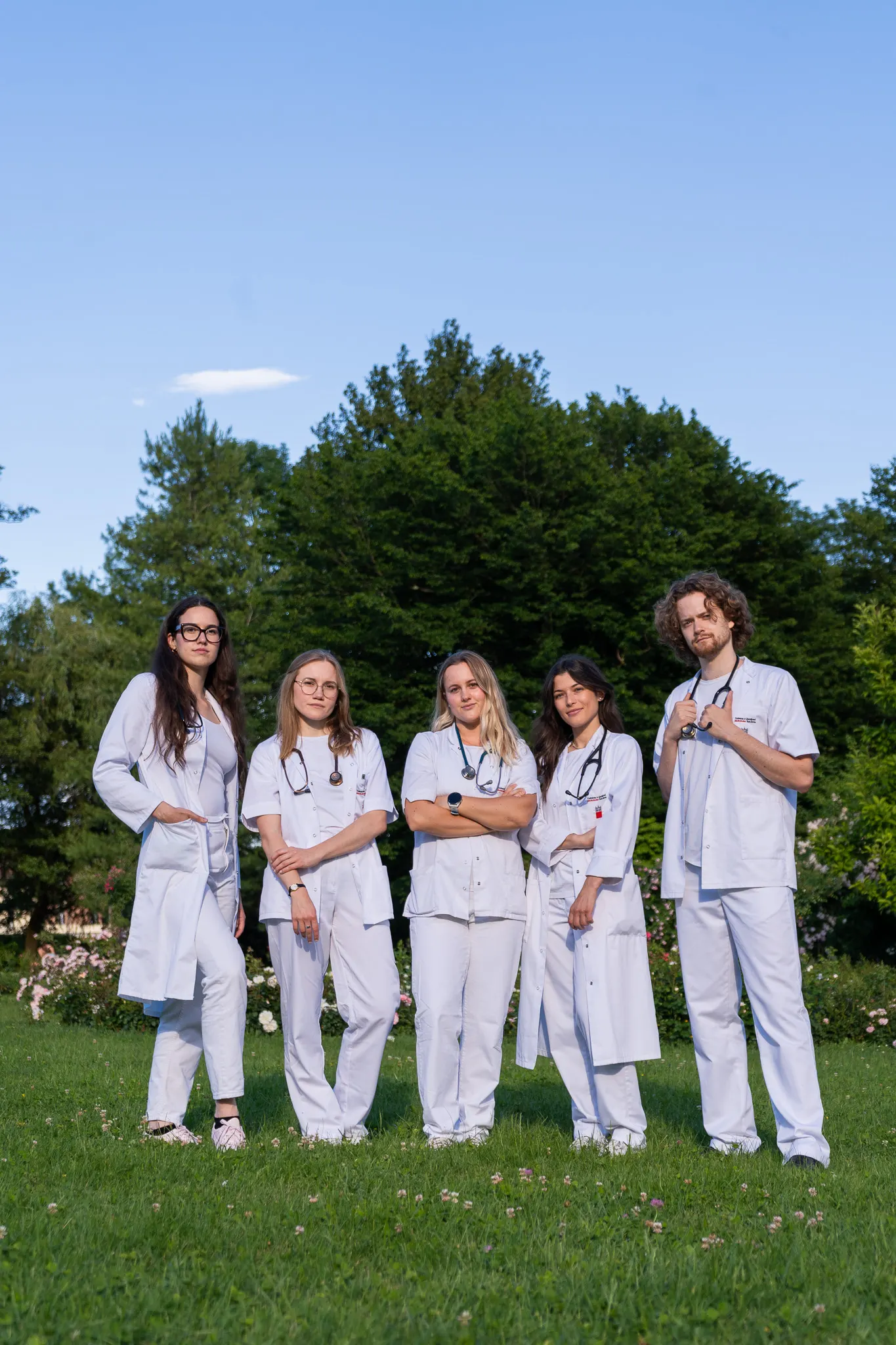
A group of young doctors setting off in summer 2027 on a three-month humanitarian medical expedition to Bwama Island, Uganda.

Learn more

Who we are

About the expedition

Our task is to provide the residents around Lake Bunyonyi with basic healthcare. At the health center we will carry out diagnostics and treatment of illnesses, basic surgical procedures, and care for chronic wounds and injuries. We will encourage residents toward preventive care, educate them on basic health practices, and so help improve the quality of their everyday lives. As part of our care we will also run outreach clinics — trips to remote locations around the lake to provide basic healthcare and education for schools and people who cannot reach Bwama Island.

Support us

The members of this humanitarian expedition intend to use the funds raised to cover the operating costs of the expedition members and to co-finance the healthcare work.

  • Bank transfer

    More
  • Material donations

    More
  • Buy merch

    More
  • Company donation

    More

Come visit our stand!

  • Jan 25 — Unec, mass at 8:30 and Rakek, massat 10:00
  • Feb 1 — Idrija, massat 10:00
  • Mar 8 — Komenda, massat 10:00
  • Mar 14 — Pub quiz at Cukrarna (Ljubljana)at 19:00

More coming soon

Meet the expedition members

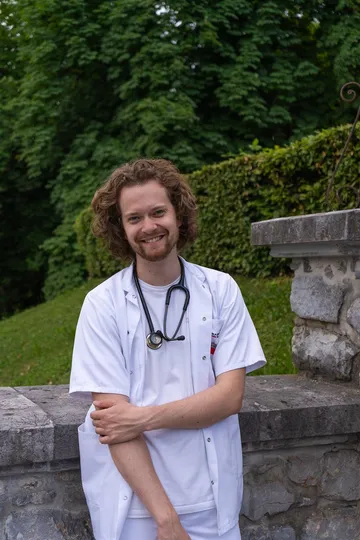
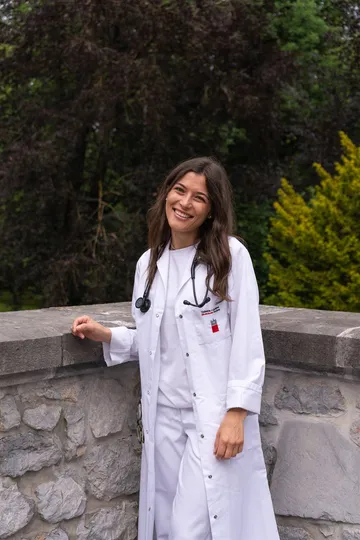
Matija Barba

Matija Barba

Every three months, a new team of Slovenian volunteers takes over work at the local health center on Bwama Island, Lake Bunyonyi. The center has operated since 2012, providing residents with free basic healthcare all year round.

During our expedition we too will carry out basic health check-ups and treatment, and educate residents about hygiene practices and preventive measures. We will bring the necessary medicines and basic medical supplies, for which we will be raising funds all year through volunteer work.

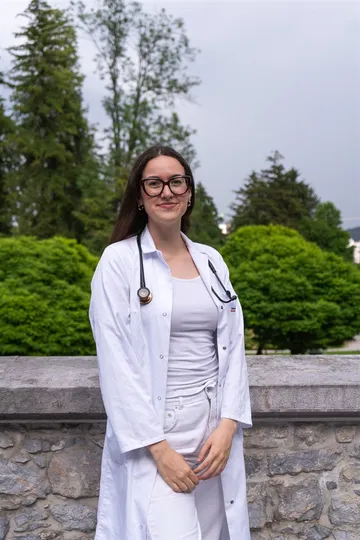
Matija Barba

Matija Barba

Every three months, a new team of Slovenian volunteers takes over work at the local health center on Bwama Island, Lake Bunyonyi. The center has operated since 2012, providing residents with free basic healthcare all year round.

During our expedition we too will carry out basic health check-ups and treatment, and educate residents about hygiene practices and preventive measures. We will bring the necessary medicines and basic medical supplies, for which we will be raising funds all year through volunteer work.

Matija Barba

Matija Barba

Every three months, a new team of Slovenian volunteers takes over work at the local health center on Bwama Island, Lake Bunyonyi. The center has operated since 2012, providing residents with free basic healthcare all year round.

During our expedition we too will carry out basic health check-ups and treatment, and educate residents about hygiene practices and preventive measures. We will bring the necessary medicines and basic medical supplies, for which we will be raising funds all year through volunteer work.

Matija Barba

Matija Barba

Every three months, a new team of Slovenian volunteers takes over work at the local health center on Bwama Island, Lake Bunyonyi. The center has operated since 2012, providing residents with free basic healthcare all year round.

During our expedition we too will carry out basic health check-ups and treatment, and educate residents about hygiene practices and preventive measures. We will bring the necessary medicines and basic medical supplies, for which we will be raising funds all year through volunteer work.

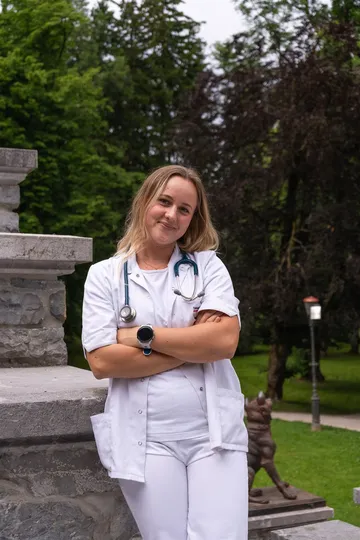
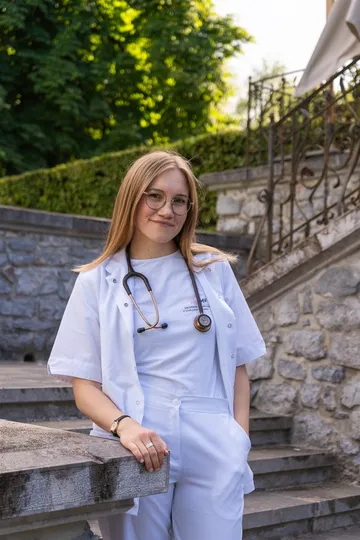
Vesna Devetak

Vesna Devetak

Every three months, a new team of Slovenian volunteers takes over work at the local health center on Bwama Island, Lake Bunyonyi. The center has operated since 2012, providing residents with free basic healthcare all year round.

During our expedition we too will carry out basic health check-ups and treatment, and educate residents about hygiene practices and preventive measures. We will bring the necessary medicines and basic medical supplies, for which we will be raising funds all year through volunteer work.

More about the expedition

These humanitarian medical expeditions run under the Section for Tropical and Travel Medicine of the Slovenian Medical Association, which has spent decades contributing to better healthcare for people in developing countries.

Our expedition year will be especially significant for the Section, as 2027 marks 50 years since its first medical expedition to the tropics, which set out in 1977. Since then, more than 1,500 medical students, doctors, and nurses have joined these humanitarian expeditions, offering their knowledge and help to people across Africa, South and Central America, Asia, and Oceania.

Today expeditions run regularly in Uganda, Zambia, and Kenya. Each expedition typically lasts three months, with four teams rotating through each location every year. This organization ensures uninterrupted presence and continuous healthcare for the local population throughout the year.

Our work is entirely voluntary. Expedition costs are covered through donations and contributions, and we organize everything ourselves.

The first expedition to Uganda …

… was organized in 2006, and since 2012 volunteers have regularly traveled to Bwama Island on Lake Bunyonyi. The Bwama Health Center operates there, providing the local community with free primary healthcare.

The land for the health center was donated by the Kigezi Diocese (Church of Uganda), and the center itself was built by the charity Edrisa UK. The organization still maintains the outpatient facilities today, financially supports the center, and ensures it runs smoothly. Uganda’s Ministry of Health also contributes, providing nursing staff and some of the required medicines. The Slovenian Section for Tropical and Travel Medicine regularly contributes medicines, medical equipment, and volunteers — medical students and young doctors who take part in outpatient work, run outreach clinics in the surrounding villages, and take part in educational activities. The health center also includes a maternity ward.

Besides healthcare, the center also plays an important role in health education for the local population. Through various prevention programs it promotes good hygiene habits, proper oral hygiene, a healthy diet, and awareness around preventing HIV infection.

Map of Uganda

Uganda

The name Uganda was given to the region by the British, who established a protectorate of the United Kingdom there at the end of the 19th century. The name is thought to derive from "U" (land, in Swahili) and "Ganda" (the name of the local people), referring to the Ganda people and the Kingdom of Buganda, which played an important role in the region’s history. Uganda gained independence in 1962.

Uganda today has a population of just under 50 million. The official languages are English and Swahili, though residents also speak many local languages.

Giraffe by the lake

Most people work in agriculture, growing coffee, tea, bananas, corn, and cotton. Coffee is one of the country’s most important export products.

Uganda’s nature is remarkably diverse. The country is known for its tropical forests, savannas, mountains, and lakes. Its national parks — most notably Bwindi Impenetrable National Park, Queen Elizabeth National Park, and Murchison Falls National Park — are home to numerous wild animals such as elephants, lions, giraffes, hippos, crocodiles, and mountain gorillas. The mountain gorillas in particular draw visitors from all over the world.

Today the country continues to develop in education, tourism, and the economy, although it still faces poverty and other development challenges.

Flag of Uganda

Coat of arms and flag

Coat of arms
The grey crowned crane (Balearica regulorum), Uganda’s national bird, a symbol of happiness, longevity, and prosperity.
Black in the flag
represents the people of Uganda.
Yellow in the flag
represents the sun.
Red in the flag
represents brotherhood with the rest of the world.

The history of Bwama Island

Bwama Island on Lake Bunyonyi was, for many years, the setting for a remarkable story. In the mid-20th century it was home to a community for treating leprosy. The center was not only a place of medical treatment — it functioned as a self-contained community where people affected by leprosy found refuge from social stigma and could continue their lives with dignity.

At the height of its activity, the center used roughly 47,000 doses of chaulmoogra oil per year — the traditional leprosy treatment of the time, which was less effective and could also be dangerous (today chaulmoogra oil is mainly used in natural cosmetics for dry and sensitive skin). The community on Bwama Island ceased operating in the 1980s, mainly due to the development of more modern and effective leprosy treatments.

Lake Bunyonyi

Support the expedition

You too can be part of our story. Your support will help us purchase the medicines, medical supplies, and equipment we’ll bring with us, directly contributing to the care of people who need medical help the most. Every contribution, whatever its size, brings us closer to our goal of creating a lasting, positive impact where it’s needed most. We are immensely grateful for every bit of support! :)

Bank transfer and QR code for online banking

IBAN
SI56 0110 0603 0708 380
Name
University of Ljubljana, Faculty of Medicine (UL MF)
Address
Vrazov trg 2, 1000 Ljubljana, Slovenia
Ref.
SI00 250620
Code
CHAR
Purpose
Uganda Jul–Sep 2027
Payment QR code

Material donations

We’re also happy to accept material donations of any kind (e.g. medical supplies, instruments, protective equipment, prescription glasses, or other items).

If so, please kindly write to us at: info@odpravaugand2027.si

Have old prescription glasses lying around? Donate them.

Old glasses

Buy our charity T-shirt

If you come say hello at one of our stands in person, you can get our charity T-shirt or tote bag in exchange for a voluntary monetary contribution.

T-shirt & tote bag

Corporate donation agreement

We’re also happy to accept material donations of any kind (e.g. medical supplies, instruments, protective equipment, prescription glasses, or other items).

Download here

Financial plan

  • Medical equipment and supplies€8,000
  • Hospital repairs€2,000
  • Patient transport and further hospital treatment costs€2,750
  • Vaccination and antimalarial costs5 Ă— €250
  • Flights, insurance, visas5 Ă— €1,000
  • Minimum cost of a 3-month stay€1,000

Total: €20,000

Note: should the funds raised exceed the project’s projected needs, they will go toward purchasing medical equipment and further hospital treatment for patients. Any funds that cannot be spent within this expedition will be carried over in full to fund the next humanitarian expedition with the same purpose.